


08 Jan How To Seal Ductwork To Improve HVAC Efficiency
High energy bills and weak air from vents can mean ducts have leaks. When ducts have holes, the warm or cool air escapes before it reaches rooms. Experts say that up to 30 percent of heating and cooling can be lost through ducts with leaks. Understanding How To Seal Ductwork helps property owners reduce energy waste, lower monthly utility costs, and restore balanced airflow throughout indoor spaces. Proper duct sealing resolves these issues without the need for major HVAC equipment replacement.
People in Oklahoma City and the areas around it have homes and businesses that use duct systems. These duct systems go through walls and ceilings and even concrete slabs. The kitchen exhaust lines have a lot of stress on them because of the heat and grease vapor. If you have a plan for sealing the ductwork it will make the heating and cooling system work better. It also helps with fire safety. Make sure the system keeps working well for a long time. The duct systems in homes and businesses are important so sealing the ductwork is an idea to improve the HVAC efficiency of the duct systems. Practical Direction For HVAC Efficiency
Understanding Air Loss In Duct Systems And How Sealing Fixes It
Air leakage rarely appears at visible vents. Conditioned air escapes at joints, seams, and hidden runs. HVAC equipment responds with longer cycles and higher energy draw. According to Energy Star, duct sealing alone can reduce heating and cooling costs by 10 to 20 percent. Commercial kitchens experience even higher losses due to exhaust pressure imbalance.
A reliable solution depends on inspection, surface preparation, and approved sealing materials. Professional methods restore airflow balance and reduce operating strain. Property owners gain predictable indoor comfort and stable energy use through proper duct sealing.
Ductwork Leakage And Its Impact On HVAC Performance
Air loss inside ducts reduces system efficiency before air reaches occupied spaces. ASHRAE studies show that unsealed ducts force HVAC units to work harder to meet temperature demand. That strain shortens equipment lifespan and increases repair frequency.
Commercial facilities face a higher risk. Kitchen exhaust systems cleaning operate under continuous heat and grease exposure. Leaks allow contaminated air to spread into ceilings and adjacent rooms. Fire risk increases when grease residue escapes sealed pathways. Sealed ductwork stabilizes pressure, supports safe ventilation, and improves system output.
Primary Areas Where Duct Leaks Commonly Develop
Duct Joints, Seams, And Mechanical Connections
Joint separation ranks as the leading source of duct leakage. Vibration from fans and blowers loosens fasteners over time. Sheet metal expands and contracts due to temperature changes. Studies from Building America confirm that over 65 percent of duct leaks originate at joints and seams.
Kitchen exhaust systems suffer from faster joint failure. Heat exposure weakens adhesives and tape. Grease residue blocks adhesion. Long-term sealing requires heat-resistant materials and proper surface cleaning.
Hidden Duct Runs Inside Walls And Slabs
Wall cavities and concrete slabs hide many duct failures. Air loss in concealed spaces often goes unnoticed for years. Research from the Florida Solar Energy Center reports that slab-embedded ducts lose more airflow than attic ducts in warm climates. Learning how to seal ducts in walls and how to seal ductwork in a slab protects efficiency in older buildings.
Preparation Steps Before Duct Sealing Begins
Surface condition determines sealing success. Dust, grease, and moisture prevent adhesion. NFPA data shows grease buildup increases fire probability by over 70 percent in commercial exhaust systems. Professional cleaning removes contaminants before sealant application.
Inspection follows cleaning. Pressure tests locate leak zones. Visual checks confirm structural integrity. Many property owners schedule professional duct cleaning and sealing services together to avoid repeat labor and ensure compliance.
Local experts such as Duct Squads provide combined inspection and preparation for residential and commercial properties across Oklahoma City and nearby communities.
Approved Materials Used In Professional Duct Sealing
Mastic Sealants For High-Temperature Duct Systems
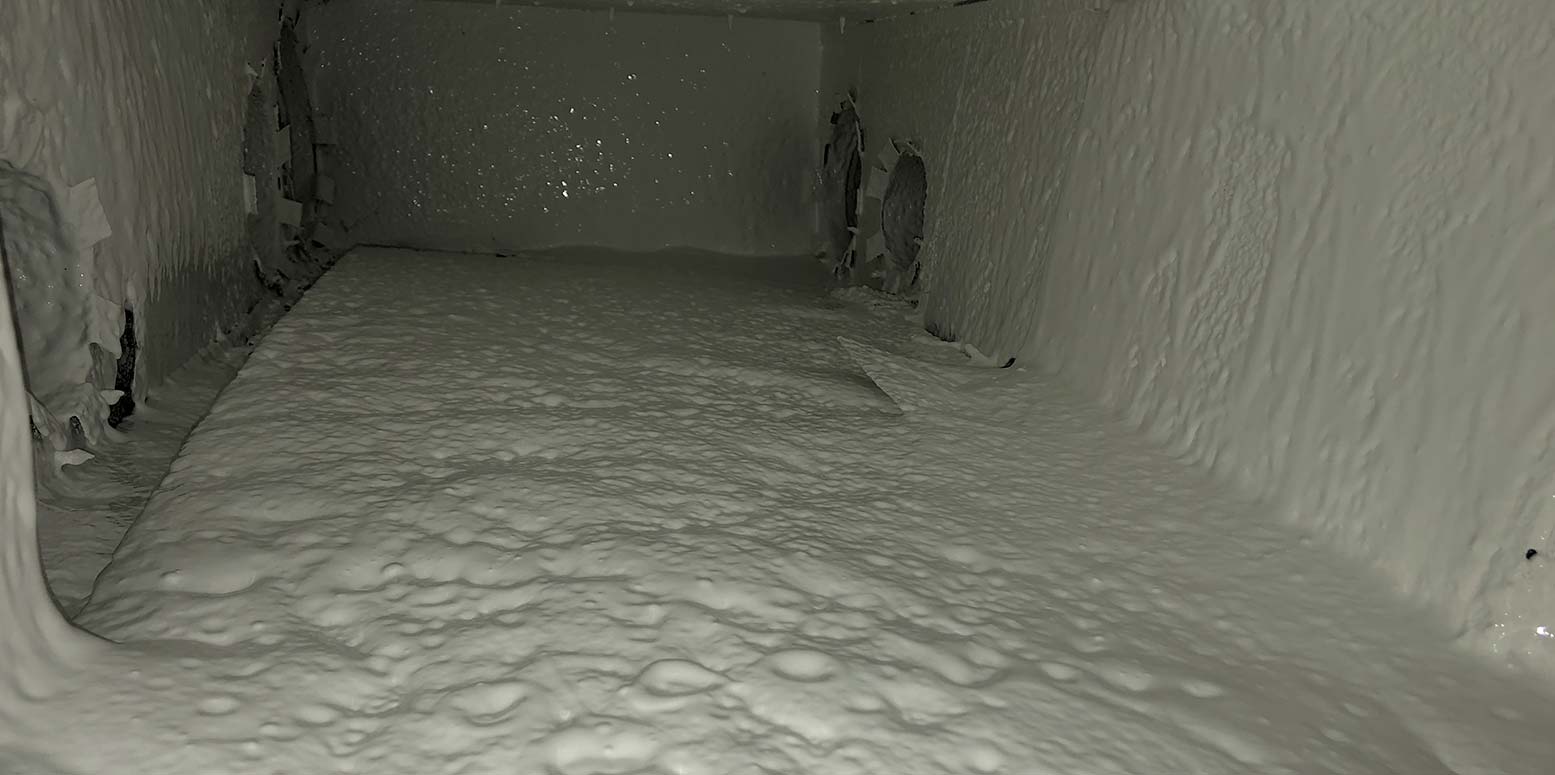
Mastic sealants form the foundation of professional duct sealing. Laboratory testing from Building America shows mastic reduces leakage by over 90 percent when applied correctly. The compound resists heat, moisture, and grease exposure.
Commercial kitchens benefit from mastic due to sustained exhaust temperatures. Residential systems gain long-term durability without frequent reapplication.
Foil HVAC Tape And Mechanical Reinforcement
Foil HVAC tape supports mastic sealing. Code-approved foil tape maintains adhesion under heat stress. Standard cloth duct tape fails quickly and causes recurring leaks. Mechanical fasteners reinforce connections in high-vibration zones.
Duct Sealing Methods For Limited Access Systems
Access limitations exist in many buildings. Interior sealing techniques address that challenge. Specialized methods distribute sealant inside ducts under controlled pressure. Aeroseal case studies report leakage reduction without wall demolition.
Internal approaches support properties where exterior access remains impractical. Business operations continue during air duct sealing & repair services. The building structure stays intact. Learning how to seal ductwork from inside allows efficient repair in occupied spaces.
Wall And Structural Cavity Duct Sealing Approaches
Wall-mounted ducts require targeted access. Infrared diagnostics and pressure mapping identify leak locations. Precision access panels allow sealant placement without surface damage. DOE studies confirm diagnostic-guided sealing reduces labor time by nearly 40 percent.
Residential kitchens benefit from odor control and improved ventilation. Commercial kitchens meet inspection requirements more consistently after correction. Understanding how to seal ducts in walls protects indoor air quality.
Slab Foundation Duct Sealing For Long-Term Protection
Concrete contact accelerates corrosion in slab ducts. Moisture infiltration worsens leakage. Florida Solar Energy Center research shows slab duct losses exceed 25 percent in many properties. Sealing methods include internal coating systems and structural reinforcement.
Sealed slab ducts restore airflow without excavation. HVAC efficiency improves. Energy consumption declines. Knowledge of how to seal ductwork in a slab proves essential for older buildings and commercial facilities.
Kitchen Exhaust Systems And Sealed Ductwork Performance
Kitchen exhaust systems demand precise sealing. Grease vapor, heat, and continuous operation amplify leakage effects. NFPA 96 standards emphasize sealed exhaust pathways for fire prevention. Leaks allow contaminants to enter ceiling cavities and adjacent rooms.
Facilities that combine cleaning with sealing achieve better airflow control. Exhaust fans operate efficiently. Fire risk decreases. Businesses maintain compliance with safety inspections.
Energy Savings And Operational Gains After Duct Sealing
Sealed ductwork delivers measurable results. Energy Star reports average energy savings between 10 and 30 percent after sealing. Commercial kitchens experience reduced exhaust fan runtime. HVAC motors operate under lower strain.
Homeowners notice consistent indoor temperatures. Businesses report improved air quality and reduced maintenance calls. Financial savings appear within the first billing cycle for many properties.
Expert Insight And Industry Guidance
HVAC professionals prioritize duct sealing before equipment upgrades. ASHRAE guidance confirms that sealing improves system performance more than replacing mechanical units alone. Industry experts recommend inspection-based sealing every five to seven years in high-use environments.
Regional experience matters. Local building styles and climate conditions influence sealing strategies. Oklahoma properties benefit from solutions tailored to slab foundations and mixed residential-commercial layouts.
Case-Based Perspective From Oklahoma Properties
Older restaurants in Oklahoma City often suffer from slab duct leakage. Post-sealing energy audits show airflow recovery above 20 percent in many cases. Residential kitchens with sealed wall ducts report odor reduction and stronger exhaust performance.
Facilities that schedule professional service twice during equipment lifespan avoid costly emergency repairs. Preventive sealing proves more economical than reactive maintenance.
When Professional Duct Sealing Services Become Necessary
DIY approaches rarely address hidden leaks. Improper materials fail under heat stress. Partial sealing causes recurring inefficiency. Professional duct cleaning and sealing services provide certified methods, pressure testing, and code compliance.
Property owners seeking predictable results rely on trained technicians. Combined inspection, cleaning, and sealing protect HVAC investments and indoor safety.
Final Thought
Sealed ductwork supports HVAC efficiency, safety, and long-term reliability. Correct inspection identifies leak zones. Approved materials ensure durability. A professional application restores airflow balance and reduces energy waste. Homes and businesses benefit through lower operating costs and improved ventilation performance.
Property managers and commercial operators across Oklahoma City and the surrounding areas can schedule professional duct inspection and sealing through Duct Squads. Certified service delivers verified results, improved efficiency, and safer indoor environments.