


17 Feb Cleaning Air Ducts: The Process of Knowing the Whole Professional Process.
The reason Cleaning Air Ducts is a significant element of a healthy, energy-saving house is that it is a necessary component. Dust, allergens, debris, and even pests can accumulate inside your HVAC system over time. Such contaminants spread throughout your living area without proper maintenance, affecting indoor air quality and system performance. In addition to duct care, services like dryer vent cleaning Nichols homeowners rely on are equally important for maintaining proper airflow and reducing potential safety risks.
Understanding the professional process of cleaning air ducts helps homeowners make wise choices and recognize quality service when contracting a cleaning company. A closer look at the process, from inspection through final testing.
Stage 1: Preliminary Check and System Analysis
Any professional cleaning of air ducts will be performed with an inspection. Technicians check supply vents and return vents, HVAC connections, and HVAC components. This test detects an overabundance of rubbish, fungus, or impediments to airflow. During this stage, professionals may also determine whether specialized equipment, such as a rotobrush duct cleaning machine, will be required to effectively remove buildup inside the ductwork.
Related ventilation problems could also be inspected by technicians during the process. For example, when homeowners complain of steam escaping from the dryer vent outside the house, it could be due to a clog or condensation issue that should be addressed. Although the dryer vents and air ducts are not the same systems, they contribute to overall airflow and ventilation safety.
Step 2: Preparing the Work Area
Professionals wrap the floors, furniture, and the surfaces nearby before the cleaning process begins. Vent covers are pulled out to avoid breakages. The HVAC is usually switched off to ensure it does not run during cleaning.
Adequate preparation will ensure that dust and debris do not spread into living spaces. Good businesses make efforts to ensure the practice is clean.
Step 3: developing Negative Air Pressure
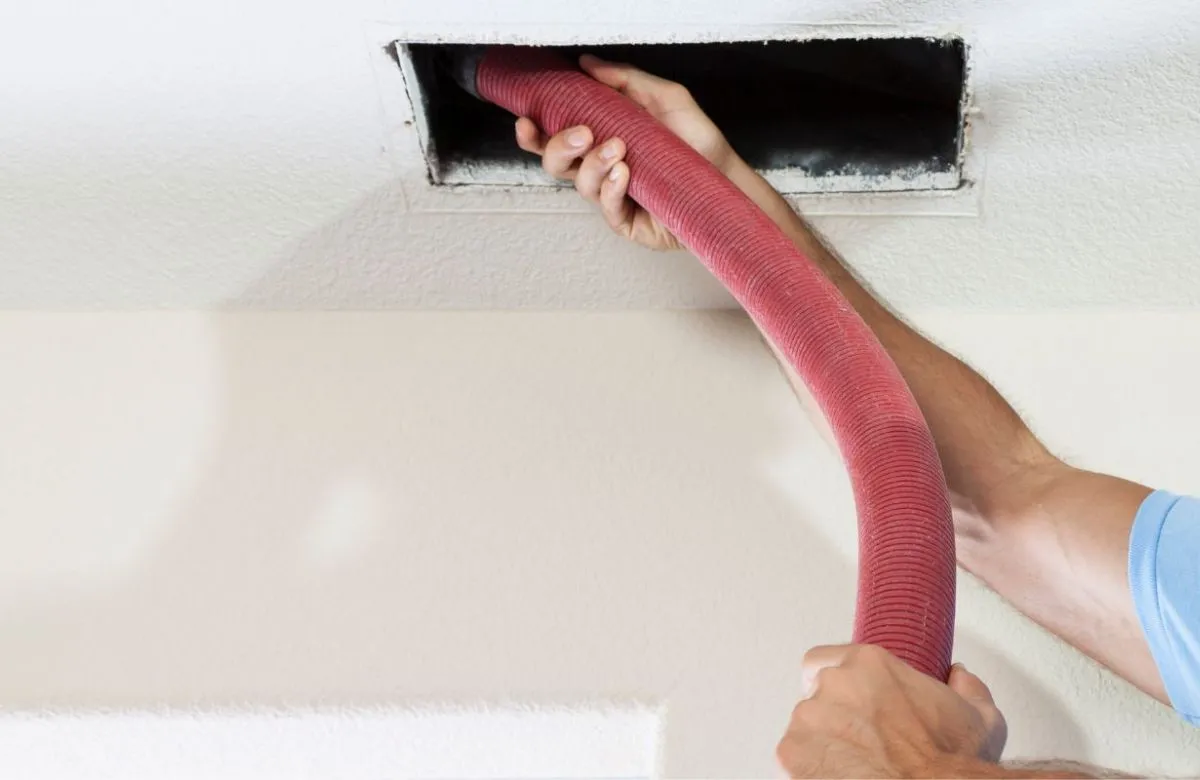
Among the steps in Cleaning Air Ducts is establishing negative pressure within the duct system. Technicians attach a high-powered vacuum system to the ductwork. This vacuum draws air and debris into the collection unit, preventing contaminants from spreading.
The adoption of more sophisticated equipment, such as a rotobrush duct-cleaning machine, enables technicians to stir up dust and debris along the inside walls of ducts as the dust is sucked into a vacuum. The combination is effective and guarantees a thorough cleaning.
Step 4: Agitation and Debris Removal
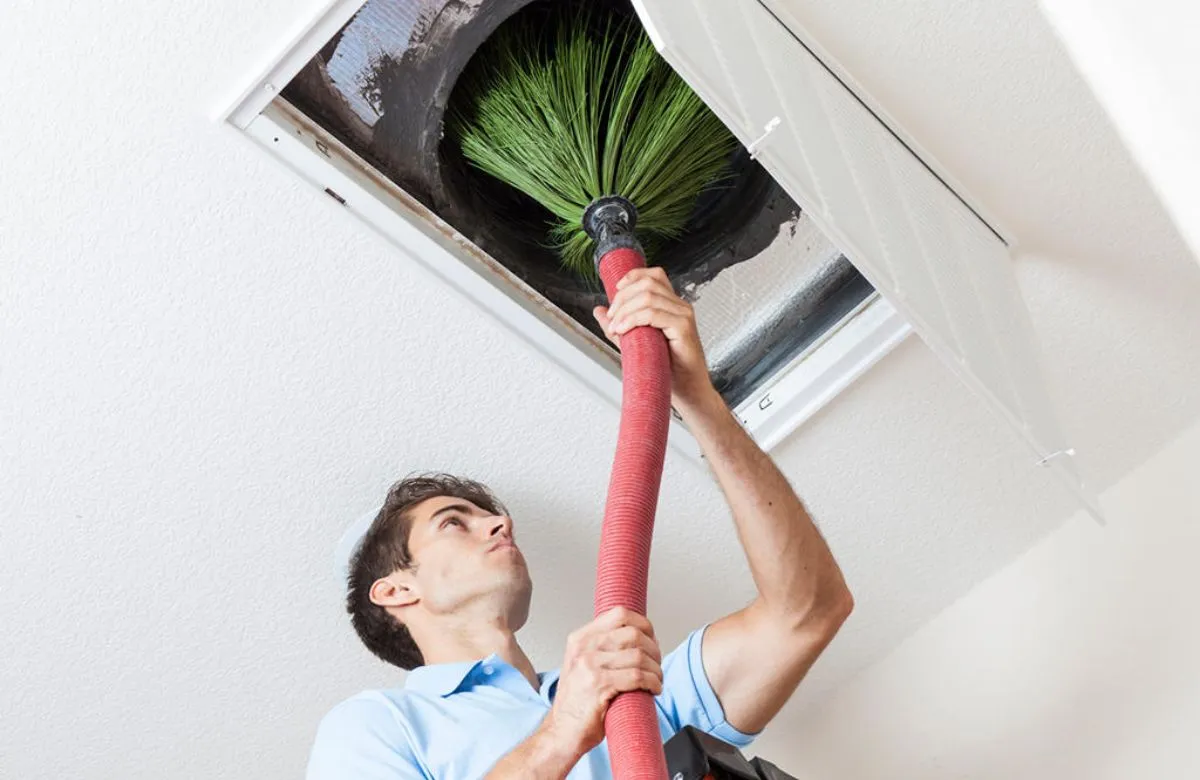
Once suction has been established, technicians proceed to dislodge debris using specialized brushes, air whips, or rotary systems. Cleaning all branches of the duct system is done separately to ensure coverage of all parts.
The rotobrush duct-cleaning machine comes in especially handy for removing deep-rooted, hard-to-reach debris. It has a rotating brush mechanism that cleans the inside of the ducts, and the vacuum removes the debris. In some cases, homeowners notice related ventilation concerns, such as steam coming out of dryer vent outside, which may indicate buildup or restricted airflow that also needs attention.
This is an important step, since vacuum cleaning may, in itself, be insufficient to eliminate deeply rooted contaminants.
Step 5: Cleaning HVAC Components.
Professional Cleaning Air Ducts also involves cleaning readily available HVAC parts, which include:
- Blower motors
- Coils
- Air handler housing
- Return air plenums
These elements may become dust-laden, reducing the efficiency of the systems. Their cleaning will allow clean airflow and functioning.
Step 6: Considerations of Dryer Vents
Although dryer vent cleaning is a separate service, in many cases, professionals check the venting system. Problems like birds nesting in the dryer outlets can impair airflow and pose a fire risk.
The most often asked question is, ” How do you ensure that birds do not enter dryer vents? A good solution is to install adequate vent covers that have protective screens. Frequent checks prevent nesting and ensure safe operation.
Some services, such as dryer vent cleaning in Nichols, may be offered in a particular area, should you reside there.
Step 7: Sanitization (If Needed)
In other instances, the technicians can suggest using a sanitizing solution within the duct system. This is an optional step that is normally done in cases of established mold or bacterial contamination.
Responsible providers would explain why sanitization is required, rather than treating it as an upsell. In professional service, transparency plays a major part.
Step 8: Final Test and Inspection
After cleaning the air ducts, technicians conduct a final check. They check that all vents are firmly reinstalled and confirm that airflow has improved.
Homeowners may notice:
- Reduced dust accumulation
- Higher consistency of airflow.
- Fewer allergy symptoms
- Lower energy consumption
To ensure the system is functioning well, it is restarted to complete the job.
Why the Process Matters
Otherwise, failure to take proper steps or equipment inefficiency may result in partial cleaning. Air duct cleaning should be done properly with professional tools, training, and attention to detail.
Trying to go Do It Yourself can hardly access deep areas of ductwork and can even cause damage to parts. Recruiting qualified professionals will help ensure contaminants are fully removed without damaging your HVAC system.
Frequency of Air Duct Cleaning?
Although there is no standard schedule, inspections every 2 or 3 years are beneficial for most homes. Circumstances that might necessitate cleaning the air ducts more often are:
- Dander and hair-shedding pets.
- Recent remodeling projects
- Smokers in the household
- Allergy or asthma concerns
- Obvious dust accumulation by vents.
Regularly replacing filters also helps prevent debris from entering the system.
The Relationship of Air Ducts and Ventilation Safety
Air ducts are not the only component of your home’s ventilation system. Dryer vents, exhaust fans, and return vents are all elements that facilitate adequate air flow. Issues such as steam coming out of the dryer vent on the outside or bird nests in the vent holes can undermine efficiency and safety.
Ducted inspections, as well as dryer vent inspections, should be done regularly to ensure that all your ventilation systems are functioning properly.
Final Thoughts
Cleaning Air Ducts is an elaborate multi-step process to improve indoor air quality, increase the efficiency of home ventilation systems, and safeguard the HVAC system. Inspection and negative-pressure setup are crucial for debris removal and final testing, and every step is important.
Some knowledge of the Cleaning Air Ducts process will help homeowners identify good service and prevent half-done, half-ineffective cleaning practices. When done correctly, the process produces a cleaner, healthier, and more energy-efficient living environment.
Professional maintenance nowadays is an advantage that helps avoid future expensive maintenance and air pollution problems. Let’s connect